Loading...
Serving Southfield, MI and surrounding areas. (248) 686-3918
Planning a new build or addition? We pour reinforced concrete slabs designed for Southfield's clay soil and freeze-thaw winters, with permits pulled and every step explained before work begins.
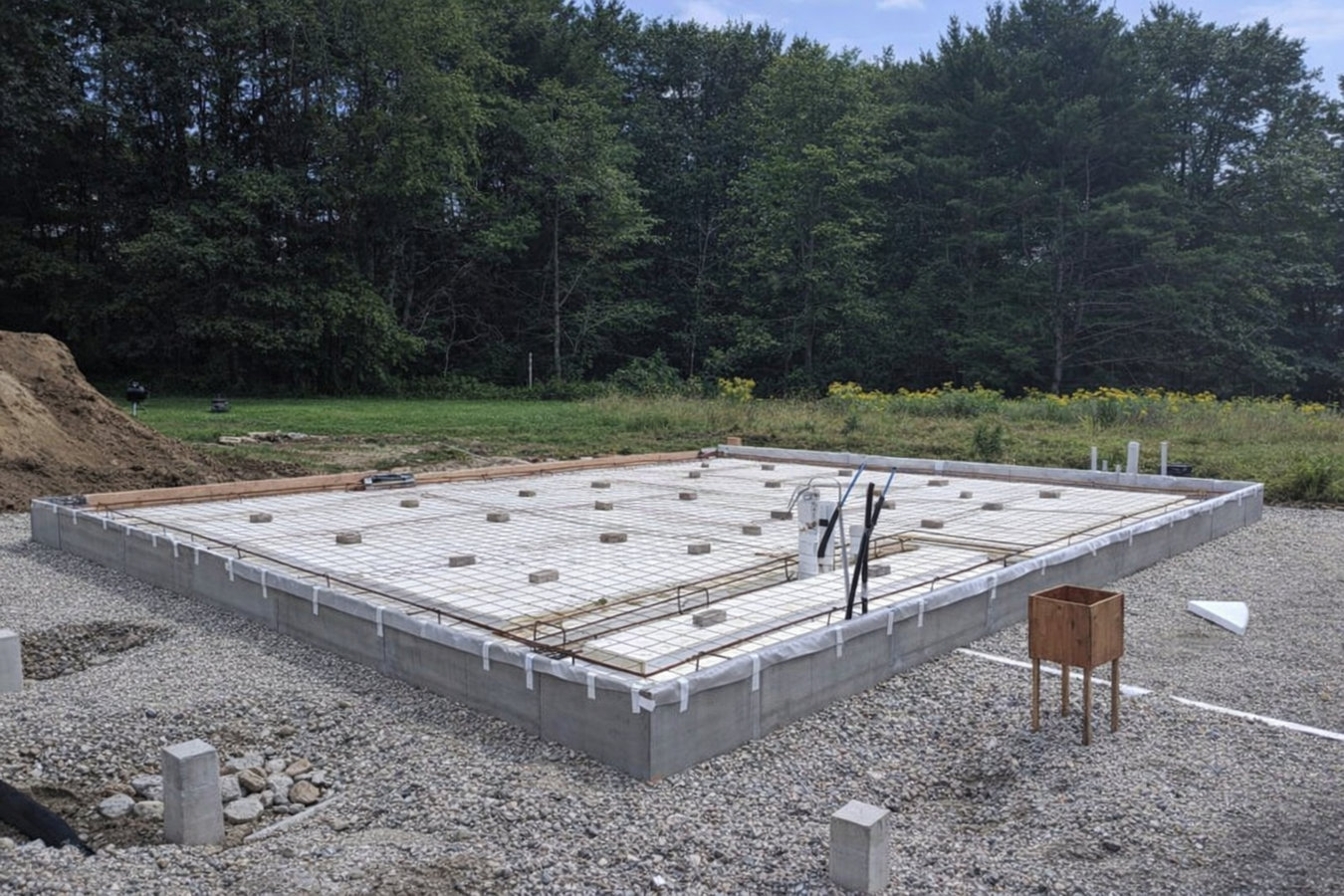
Slab foundation building in Southfield means pouring a single reinforced concrete slab directly on prepared ground - no basement, no crawl space - and most residential projects wrap up the pour in a single day, with the slab ready for framing within about a week and reaching full strength over 28 days.
If you are planning a garage, room addition, or new structure, the slab is where everything starts. Getting it right means proper soil prep, correct reinforcement, and timing the pour to Southfield's seasonal windows. Many homeowners also look at foundation installation when dealing with an existing home - the two services often come up together depending on whether you are building new or replacing what is already there.
Southfield's clay soil and hard winters make prep work especially important here. A slab poured on unprepared clay will shift and crack within a few years. We assess your specific lot before quoting, so what you see in the estimate reflects what is actually under your property.
If you are adding a room, garage, or accessory structure to your Southfield property, you need a foundation before framing begins. A slab is often the most practical and cost-effective choice for single-story additions. Without a proper base, any structure built on top will shift, crack, and become unsafe over time.
Hairline cracks are normal, but cracks wider than a quarter-inch or cracks where one side has shifted higher than the other signal the slab has moved significantly. In Southfield, this often happens because clay soil expands and contracts with moisture changes over many years - and it tends to get worse with each freeze-thaw cycle.
When a slab shifts or settles unevenly, the walls and door frames above it shift too. If doors that used to swing freely now stick or won't latch, or if you notice gaps forming at window frame corners, the foundation below may be moving. This is worth having a contractor look at before the problem spreads to other parts of the structure.
If your floor feels damp, you see water stains on concrete, or there is a musty smell near the floor, the moisture barrier under the slab may have failed. This is more common in older Southfield homes where the original slab was poured without a proper barrier - a standard step that was not always followed in homes built before the 1980s.
Our slab foundation work covers the full scope - from initial site assessment and permit filing with the City of Southfield through grading, compaction, moisture barrier installation, steel reinforcement placement, and the pour itself. Every project includes a gravel drainage base and steel rebar or wire mesh sized for Michigan's clay soil conditions. If you are starting a new build, a monolithic slab pour gives you the structural floor and perimeter footings in one continuous pour. For larger or more complex footprints, we form and pour the footings separately to meet the design load requirements.
We also handle projects where an existing slab has failed and needs to be broken out and replaced. If your project requires concrete footings as a standalone scope - for a deck, fence posts, or load-bearing columns - we build those too. Homeowners dealing with a full foundation replacement often need both slab work and the deeper footing work that supports the structure above.
Best for standard single-story new builds and additions where the floor slab and perimeter footings are poured in one continuous operation.
Suits projects where the perimeter needs more depth to meet load requirements, while the interior slab remains at standard thickness.
For existing slabs that have cracked, shifted, or settled beyond repair - we break out the old concrete, prep the ground properly, and pour a new slab.
Ideal for homeowners adding a room, sunroom, or attached garage to an existing Southfield home, where the new slab needs to tie in cleanly to the existing structure.
Southfield sits on clay-heavy soil that behaves differently from sandy or loamy ground. Clay absorbs water and swells, then shrinks when it dries - a cycle that puts upward pressure on any slab poured without adequate drainage and compaction below it. Add Michigan's freeze-thaw winters, where the ground can freeze 30 to 40 inches deep, and you have conditions that punish poorly prepared slabs quickly. A contractor without hands-on experience in southeast Michigan can miss these details at the quoting stage and deliver a slab that looks fine in year one but starts moving by year three. We have been working on Southfield properties long enough to know what the ground here actually requires before a single bag of concrete is mixed.
Much of Southfield's housing stock was built between the 1950s and 1970s, which means many slab projects here involve replacement or addition work rather than brand-new construction on a vacant lot. Homeowners in Farmington Hills and Bloomfield Hills face similar soil and age challenges - we work throughout the area and bring the same level of ground preparation to every project, regardless of whether the home was built last year or 60 years ago.
We ask about the size and purpose of the structure, whether you have drawings, and whether you already have a parcel to work from. You hear back within one business day and leave the conversation with a clear sense of next steps.
We come to your Southfield property, check drainage, assess soil conditions, and note any trees or grading issues. You get a written estimate that breaks down site prep, materials, labor, and what the permit process involves - not a single number over the phone.
We pull the building permit from the City of Southfield before any work begins - this is required by law and triggers city inspections at key stages. Permit approval typically takes one to two weeks, after which you get a confirmed start date.
The crew grades the site, compacts the soil, lays gravel and a moisture barrier, sets steel reinforcement, and pours. A city inspector checks the work before and sometimes during the pour. The slab stays protected while it cures, and we walk you through the timeline before we leave.
No obligation. We visit your lot, assess the soil, and give you a detailed written estimate - usually within a day of your call.
(248) 686-3918We prepare the subgrade specifically for southeast Michigan conditions - heavy clay soil, freeze depths reaching 30 to 40 inches, and the moisture cycles that cause unprepared slabs to crack within a few years. The prep work we do below the slab is what makes the surface above it last.
City of Southfield foundation permits require a plan review and multiple inspections. We file the paperwork, manage the inspection schedule, and close the permit before we call the job done. A contractor who asks you to handle permitting is one you should pass on.
We follow American Concrete Institute standards for concrete mix, reinforcement placement, and curing - the same benchmarks used by engineers and inspectors. This is not a marketing claim; it shapes how we spec every pour.
We walk you through each phase - the site prep, the pour day, the curing period, and what to expect during inspections - before work begins. If something on your lot will affect the cost or timeline, you hear about it during the estimate, not after the job starts.
Building a slab in Southfield means dealing with soil and weather conditions that punish shortcuts. Every proof point above reflects how we actually work - not language we picked from a brochure.
Full foundation installation for Southfield homes - excavation, poured concrete walls, waterproofing, and city inspections handled start to finish.
Learn MoreStandalone footing work for decks, columns, fences, and load-bearing structures that need a solid base below the frost line.
Learn MoreSpring and fall pour windows fill up fast - reach out now to lock in your start date before the season gets away from you.