Loading...
Serving Southfield, MI and surrounding areas. (248) 686-3918
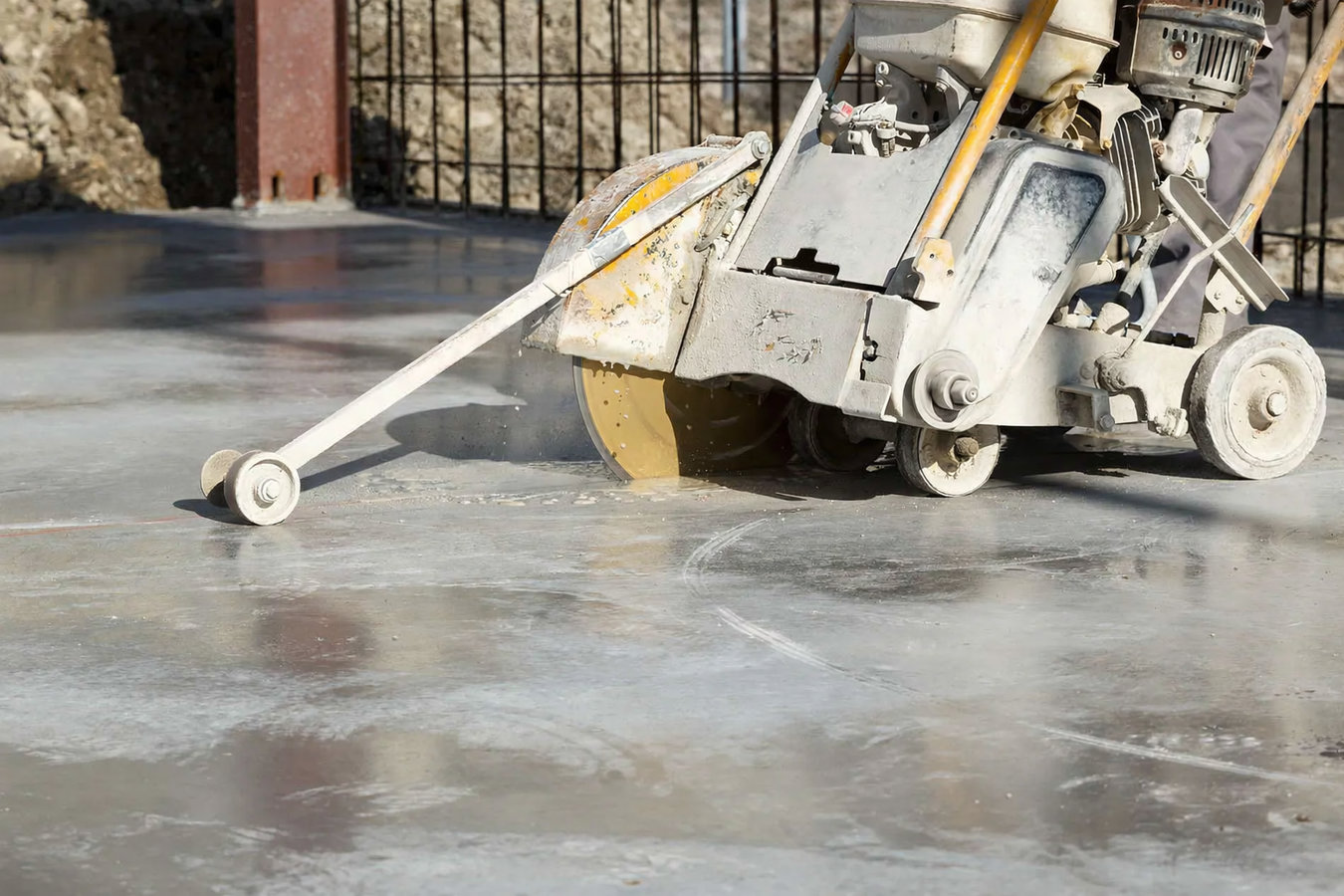
Cracked driveways, basement slab openings, garage floor joints - we make precise diamond-blade cuts, locate utilities before we start, and handle the permit when your project requires one.
Concrete cutting in Southfield is the process of using diamond-tipped blades and saws to make clean, controlled openings or joints in existing slabs, floors, or walls - most jobs take a few hours to a full day depending on scope, and the result is a precise cut rather than the jagged breakup a jackhammer leaves behind.
You need concrete cutting when a damaged section has to come out, when your project requires a new drain, utility line, or egress window through an existing slab, or when your driveway or garage floor keeps cracking in the same spot and needs a proper control joint. Southfield's mid-century housing stock - most homes here were built between the 1950s and 1970s - means a lot of slabs are 50-plus years old and showing the effects of freeze-thaw cycles, road salt, and clay soil movement. In many cases, cutting out the damaged section and patching it correctly is far less disruptive and expensive than a full slab replacement. Homeowners whose slabs have shifted enough to need leveling rather than just cutting should also look at our concrete driveway building service for situations where the scope has grown beyond a targeted repair.
Concrete cutting also comes up regularly as one step in a larger project - finishing a basement, adding a bathroom, or making a basement legally habitable all require precise cuts before any other trade can move in. Getting this step done right, with utilities located beforehand, keeps the whole project on schedule.
If you noticed a crack in your driveway, basement floor, or garage slab last fall and it looks bigger now that spring has arrived, freeze-thaw damage is almost certainly at work. In Southfield's climate, cracks that are left alone tend to grow. A concrete cutting contractor can remove the damaged section cleanly so it can be properly repaired before the next freeze cycle makes it worse.
When one part of a concrete slab sits higher or lower than the section next to it, it is a trip hazard and a sign that the soil underneath has shifted. This is especially common in Southfield's older neighborhoods, where clay soil movement has had decades to work on mid-century slabs. Cutting out the affected section is often the first step toward a lasting fix.
If you are finishing a basement, adding a bathroom, or making your basement legally habitable, you may need a new drain, electrical conduit, or egress window cut through the floor or foundation wall. These projects require precise cuts - not demolition. If you are planning any of these improvements, concrete cutting is part of the process.
Scaling looks like the top layer of concrete is flaking or peeling away in patches. In Southfield, this is often caused by years of road salt being tracked in from the driveway. Once scaling starts, it tends to spread. Cutting out the worst sections and patching them properly stops the damage from continuing to grow.
We use diamond-tipped flat saws for slab surfaces, wall saws for foundation walls and vertical cuts, and core drills for round utility openings. The right tool depends on where the cut needs to happen and how deep it needs to go. For every job, we call MISS DIG 811 to have underground utility lines marked before any blade touches the concrete - this is a legal requirement in Michigan and a basic step that protects your home's gas, water, and electrical lines. We also use wet cutting to keep dust down during the work, and we walk you through cleanup and next steps before we leave. For projects that involve removing a slab section and then laying new concrete - like a parking area repair or driveway extension - we can also handle the pour. Homeowners planning concrete parking lot work often need cutting as part of the prep before new sections are placed.
When your cutting project requires a permit - for example, opening a foundation wall or adding a floor drain - we handle the permit application with the City of Southfield's Building Department so you do not have to figure that process out yourself. We also explain what happens after the cutting is done: who comes in next, how long to keep weight off the area during curing, and what the finished result should look like. The OSHA silica dust standard governs how contractors must control dust during concrete cutting - we follow those requirements on every job to protect both the crew and your household.
Best for driveways and garage floors that keep cracking in the same spot - a clean, intentional joint gives the concrete a controlled place to flex with temperature changes.
Suits situations where a damaged or heaved section of concrete needs to be cut out cleanly before the area can be patched, leveled, or repoured.
For basement floors, garage floors, or slab foundations where a new drain, electrical conduit, or plumbing line needs to pass through the existing concrete.
For foundation walls or basement walls where a new egress window, doorway, or access opening needs to be cut to code dimensions before framing begins.
Southfield sits in a climate zone where temperatures drop well below freezing every winter. Water seeps into small cracks in concrete, freezes, expands, and widens those cracks year after year. This means Southfield homeowners often need concrete cutting sooner than homeowners in milder climates - and it is one reason you want to address cracked or damaged sections before another winter cycle makes the problem worse. The clay-heavy soil in Oakland County compounds this, expanding and contracting with moisture changes and putting ongoing stress on slabs from below. Add road salt that Michigan winters demand, and concrete surfaces in Southfield face more wear each year than most parts of the country. The MISS DIG 811 utility locate service is a free, legally required step that every contractor should complete before any cutting begins - it is worth confirming this step with any contractor you are considering.
Southfield's majority of homes built between the 1950s and 1970s means a lot of slabs here were poured to older standards and may be thinner or less reinforced than modern concrete. Experienced local contractors already know this and adjust how they approach the cut accordingly. We work throughout Southfield and the surrounding area, including homeowners in Royal Oak and Warren, where similar mid-century housing stock and freeze-thaw conditions drive the same concrete cutting needs.
When you call or reach out, just tell us what you are trying to accomplish and where the concrete is. You do not need to know the technical details. This conversation helps us decide whether we can give you a ballpark estimate over the phone or whether we need to see the area first. We respond within one business day.
For most jobs, we visit before quoting a firm price. We look at the thickness of the slab, check for signs of rebar or embedded utilities, and assess access for our equipment. After the visit, you receive a written estimate spelling out what work will be done, how long it will take, and what it will cost - before you commit.
If your project requires a permit, we handle filing it with the City of Southfield. Before cutting begins, we call MISS DIG 811 to have underground utility lines marked - this is a free service and a legal requirement in Michigan that protects your gas, water, and electrical lines from accidental damage.
The crew marks the cut lines precisely, sets up dust control, and makes controlled passes with the saw. Most straightforward cuts wrap up in two to four hours. When the work is done, we clean up, remove debris, and walk you through what comes next - whether that is a plumber, a mason, curing time, or all three.
We locate utilities before we start, handle the permit when required, and leave the area ready for whatever comes next - no guesswork, no surprises.
(248) 686-3918We call MISS DIG 811 and complete utility locates before cutting begins on every job. For utilities embedded inside basement slabs - plumbing, electrical conduit - we use scanning to confirm their location. This step protects your home's systems and prevents the kind of expensive surprises that happen when it gets skipped.
Concrete cutting generates fine silica dust that is a real health hazard with repeated exposure. We use wet cutting and dust control on every job to meet OSHA crystalline silica requirements. You should not have to ask - but if you do, we will walk you through exactly how we handle it.
We know which concrete cutting jobs require a City of Southfield permit and which do not. When a permit is required, we handle the application and coordinate with the city directly. That keeps your project on record and protects your home's resale value - no scrambling to explain unpermitted work to a buyer's inspector.
Concrete poured in the 1950s through 1970s behaves differently from modern mixes - it can be more brittle, thinner, or mixed to older standards. We work on mid-century slabs throughout Southfield regularly and adjust our approach to match what we are actually cutting, not what is typical on newer construction.
Every one of these points connects to the same outcome: a clean cut, no hidden damage to your home, and a clear path to whatever comes next in your project. That is what Southfield homeowners expect, and it is the standard we hold every job to. Get in touch for a free estimate.
When cutting reveals damage beyond repair, or when you are ready to pour a complete new driveway to replace what was removed.
Learn MoreFor commercial or multi-vehicle properties where cutting out damaged sections is one part of a larger parking surface restoration.
Learn MoreWith another Michigan winter on the way, now is the right time to get damaged or cracked concrete addressed before freeze-thaw cycles make it worse.