Loading...
Serving Southfield, MI and surrounding areas. (248) 686-3918
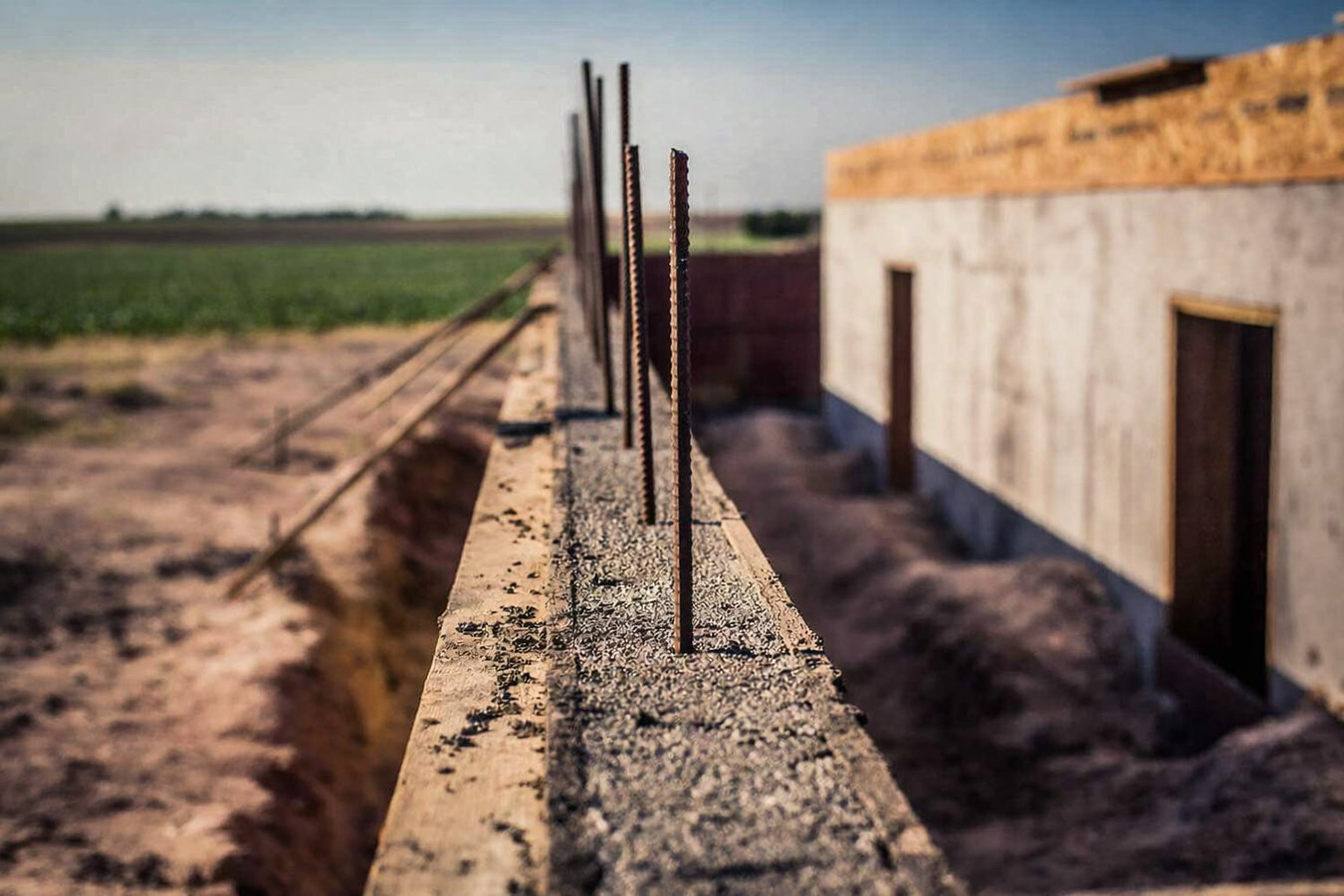
A sunken slab is a trip hazard, a water problem, and a curb appeal issue all at once. We pump it back to level in a few hours, pull the city permit, and leave your driveway, garage floor, or walkway ready to use the same day.
Foundation raising in Southfield is the process of injecting material underneath a sunken concrete slab to push it back to its original level - most residential jobs take a few hours, and you can walk on the surface the same day.
If you have a driveway section that has dropped, a garage floor that tilts toward the drain, or front steps that no longer line up with the porch, foundation raising is almost always faster and less expensive than tearing out the concrete and starting over. The method works because most sunken slabs are structurally sound - the concrete itself is fine, but the soil underneath has shifted or washed away. Southfield homeowners whose slabs have sunk significantly may also want to look at our slab foundation building service if the damage has gone beyond what raising can correct.
Southfield's mid-century housing stock - most homes here were built between the 1950s and 1970s - means a lot of original slabs are now showing the effects of 50-plus Michigan winters. Freeze-thaw cycles, clay-heavy Oakland County soil, and older drainage systems are the main reasons foundations sink here. Catching the problem early means a smaller job and a lower bill.
When a foundation shifts, door frames and window frames shift with it. If a door that used to swing freely now drags on the floor or refuses to latch, that is often one of the first signs that something has moved underneath. In Southfield homes built before 1980, decades of freeze-thaw cycles have had time to accumulate - this symptom is common and worth acting on.
Walk the perimeter of your home and look where concrete meets the foundation wall, or where the garage floor meets the garage wall. A gap that was not there before - or one that seems to be growing - means the concrete has moved. Even a small gap lets water in, which accelerates the problem heading into a Michigan winter.
Stand on your driveway, patio, or garage floor and look for sections that have tilted or dipped relative to the sections next to them. You can often feel this before you see it - a slight rocking sensation when you walk, or a trip hazard at a joint. In Southfield, this kind of uneven settling is very common after a hard winter.
After a rain, watch where the water goes. If it flows toward your house or sits in puddles against the foundation, that water is working its way under your slab, eroding the soil support and causing sinking. This is a particularly important signal in Southfield neighborhoods where the original lot grading has shifted over the decades.
We use two proven lifting methods depending on your situation. Mudjacking pumps a cement-and-soil slurry under the slab to fill voids and push the concrete back up. Polyurethane foam injection uses an expanding foam that is lighter, cures faster, and works well in tight or hard-to-reach spaces. Both involve drilling small holes in the slab, injecting material underneath, and patching the holes before we leave. The right method depends on the size of the job, the condition of the concrete, and the access available. Homeowners whose projects go beyond lifting - where a full new foundation pour is needed - can also ask about our concrete cutting service, which often comes into play when damaged sections need to be removed before new concrete is placed.
Every job starts with an on-site assessment. We walk the affected area, check how much the slab has sunk, look at the surrounding drainage, and confirm the concrete is in good enough shape to be raised rather than replaced. We then handle the required city permit and schedule the work. Most residential jobs are complete in a single day, and we walk you through the curing timeline and any drainage follow-up before we leave.
Best for homeowners with one or more driveway sections that have sunk or tilted, creating a trip hazard or allowing water to pool against the garage.
Suits garage floors that have settled unevenly or developed a slope that directs water toward the interior wall rather than the drain or door.
For walkways, front steps, or porch slabs that have dropped below the level of the surrounding grade, creating a visible gap or safety hazard.
For backyard patios or pool deck sections that have sunk due to soil erosion or freeze-thaw movement, making furniture sit unevenly or water pool in low spots.
Southfield sits in a climate zone where temperatures swing above and below freezing from November through March. Every time water in the soil freezes, it expands and pushes upward - when it thaws, it contracts and leaves gaps. Over many winters, that repeated movement is one of the most common reasons foundations and slabs sink here. The soil across much of Southfield and Oakland County also contains a high amount of clay, which swells when it absorbs water and shrinks when it dries - a constant expansion-and-contraction cycle that a contractor who works here regularly already understands and accounts for. The National Foundation Repair Association has guidance on identifying the underlying causes of slab sinking - understanding the cause is what separates a repair that holds for years from one that needs redoing.
A large share of Southfield homes were built between the 1950s and 1970s, when soil compaction standards were less rigorous than they are today. Those foundations have now been through 50 to 70 Michigan winters, and many lots have drainage patterns that have shifted over the decades, directing water toward the house rather than away from it. We work across Southfield and throughout the surrounding area, including homeowners in Troy and Farmington Hills, where the same clay-soil and freeze-thaw conditions drive similar problems.
When you reach out, we ask a few basic questions - where the problem is, how much the slab has moved, and how long it has been going on. We respond within one business day and schedule an on-site visit, because no honest contractor can give you a real price without seeing the slab and the surrounding conditions in person.
We walk the affected area, check how much the slab has sunk, look at the surrounding drainage, and confirm whether the concrete is in good enough shape to be raised. This is your chance to ask questions. After the visit, you receive a written estimate that spells out what is included before you commit to anything.
In Southfield, structural foundation work requires a building permit. We handle pulling that permit with the city so you do not have to navigate the Building Department on your own. Once the permit is in hand, we schedule the work at a time that fits your schedule.
The crew drills small holes in the slab, injects the lifting material underneath, and monitors the slab as it rises back to level. Drilling is noisy but brief. Once the slab is level, we patch the holes and clean up the work area. Most residential jobs wrap up in a few hours, and foam injection jobs are walkable the same day.
We pull the permit, handle the work, and leave your surface ready to use the same day. No mess, no weeks of waiting.
(248) 686-3918Southfield requires a building permit for structural foundation repairs. We handle the entire permit process with the city, including scheduling the required inspection. That paper trail protects your home's value and gives you a documented record of the repair if you ever sell.
Oakland County's clay-heavy soil expands and contracts with moisture changes throughout the year. We account for that in how we prep the area, choose the lifting method, and discuss follow-up drainage with you. General experience is not the same as knowing exactly what is under Southfield slabs.
Not every sunken slab should be raised. If the concrete has deteriorated to the point where replacement is the smarter long-term call, we will tell you that directly - even though it means a different scope of work. The{' '}Michigan Residential Builder license we hold requires us to give you an accurate picture of the work, not just the easiest answer.
A lifted slab that sits over the same drainage problem will sink again. Before we leave, we explain what caused the sinking and whether any yard drainage or grading needs attention. The{' '}Michigan State University Extension has documented how drainage patterns in older Michigan neighborhoods drive repeat foundation movement - we work to break that cycle.
These proof points are not independent - they connect. Local soil knowledge informs the assessment, the honest assessment shapes the estimate, and the permit process protects the outcome. That is why Southfield homeowners who call once tend to call again. Ready to get started? Reach out for a free estimate.
When damaged slab sections need to be removed cleanly before new concrete is placed, precise concrete cutting is the first step.
Learn MoreFor situations where the existing slab has deteriorated beyond raising and a full new concrete slab is the right long-term solution.
Learn MoreSouthfield's freeze-thaw season arrives sooner than most homeowners expect - book your foundation raising now and stop a small problem from becoming a large one.