Loading...
Serving Southfield, MI and surrounding areas. (248) 686-3918
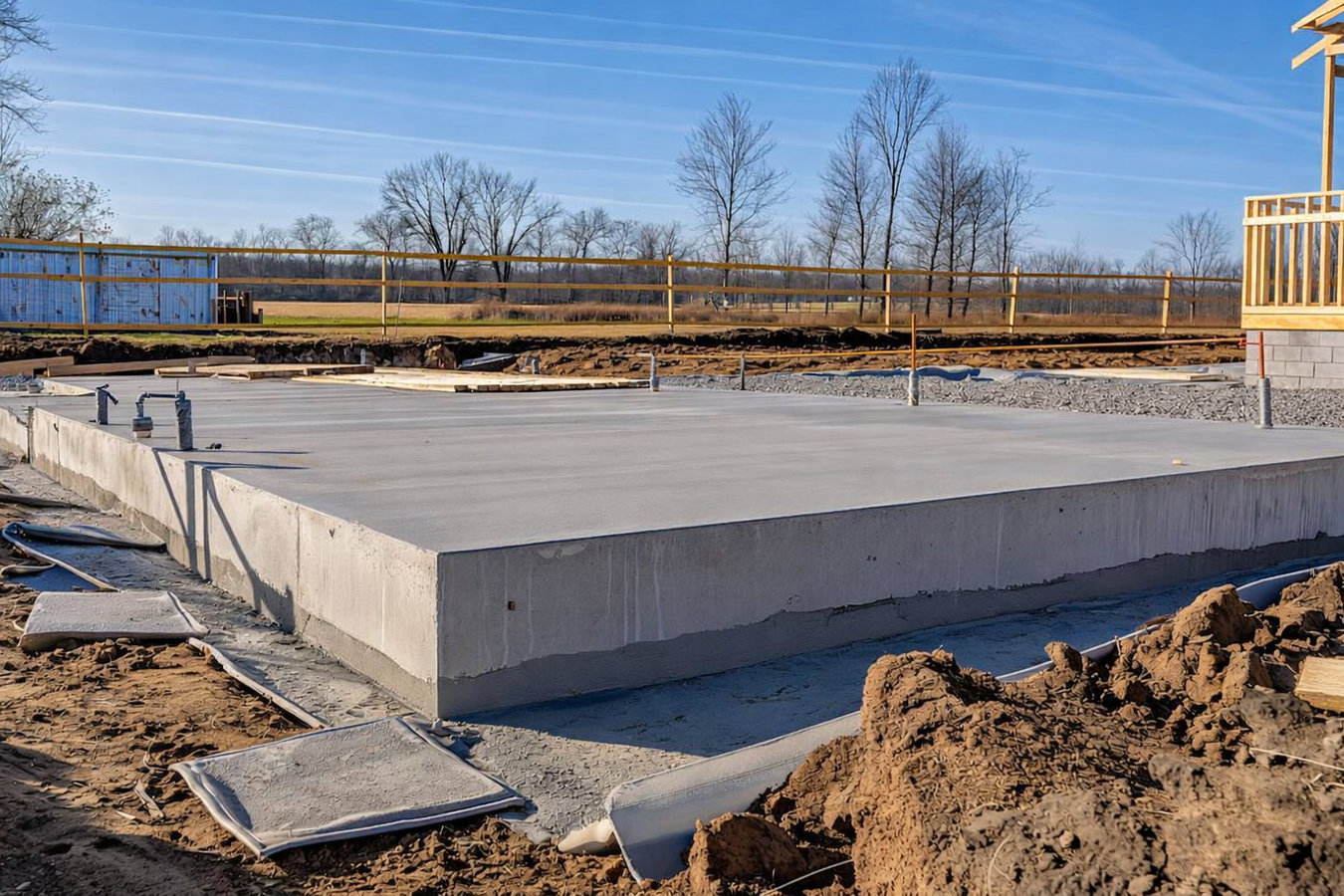
Your foundation carries everything. We pour poured concrete foundations with frost-depth footings, exterior waterproofing, and permits pulled before a shovel goes in - so your project passes inspection the first time.
Foundation installation in Southfield means excavating to below Michigan's frost line - typically at least 42 inches deep - forming and pouring poured concrete walls, waterproofing the exterior before backfilling, and passing city inspections at each stage; most single-family projects run two to four weeks from permit approval to a backfilled, inspection-closed foundation.
Poured concrete is the standard foundation type for homes in Oakland County, and for good reason - it handles Michigan's freeze-thaw cycles and clay soil conditions better than block alternatives. If you are starting new construction, foundation installation is the first structural step. If you are dealing with an aging or failing foundation, replacement is a larger scope but the same principles apply: the work has to go deep enough, be waterproofed properly, and drain water away from the walls. Many homeowners working on older Southfield homes also look at slab foundation building when planning additions alongside full foundation replacements.
The City of Southfield Building Safety and Engineering Department requires permits and sends independent inspectors to check the work. We pull every permit and welcome every inspection - it is one of the clearest ways we can show you the work is done right.
If cracks in your basement walls or floor look larger than they did a year ago, take it seriously. Southfield's freeze-thaw cycles put real stress on aging concrete every year. A crack that is actively growing - especially one wider than a quarter-inch or running diagonally - signals the foundation is moving, not just settling.
Southfield gets significant snow and spring rain, and clay soil doesn't drain well. If you find water on your basement floor or damp spots on the walls after wet weather, your foundation's waterproofing has likely failed. This is especially common in homes built before the 1980s, when exterior waterproofing standards were less rigorous.
When a foundation shifts, the frame of the house moves with it - and that movement shows up in doors and windows first. If doors that used to swing freely now stick or won't latch, or if you can see daylight around a window frame that used to seal tight, the structure above the foundation is telling you something has changed below.
Walk slowly across your first floor and pay attention to any spots that feel springy or noticeably lower than the surrounding area. In older Southfield homes with block or brick foundations, this can signal that the foundation wall has shifted enough to affect the floor joists sitting on top of it.
Our foundation installation work covers the full project - from permit filing and excavation through forming, pouring, waterproofing, and final inspection close-out. Every project includes footings dug to below the frost line, poured concrete walls formed and poured on-site, and a waterproofing membrane applied to the exterior walls before any soil goes back. We also handle drainage at the base of the footing so water moves away from the foundation rather than sitting against it. For homes near the Rouge River corridor where the water table runs higher, sump pit installation is part of the conversation from the start.
For homeowners dealing with foundation replacement on an existing home, we manage the structural shoring required to support the house while the old foundation is removed. This is more involved than new construction - it takes longer and costs more - but it is work we do regularly on Southfield's mid-century housing stock. Homeowners who need parallel work often ask us about concrete parking lot building for commercial properties, or combine foundation replacement with other site concrete on residential projects.
For homes and structures being built from the ground up - excavation, forming, pouring, waterproofing, and inspection, sized to the building plans.
For existing Southfield homes where the current foundation has failed or needs full replacement - includes structural shoring while the old foundation is removed.
For situations where one section of the foundation has shifted or cracked significantly and needs to be cut out and replaced without disturbing the rest.
For homeowners adding living space, a garage, or a commercial extension that needs its own properly sized foundation tied into the existing structure.
Southfield's climate and soil conditions create a specific set of demands for foundation work that a contractor new to southeast Michigan may not fully account for. The frost line here runs at least 42 inches deep, which means excavation goes significantly deeper than it would in warmer states. The clay-heavy soil left behind by glaciers expands when wet and contracts when dry - creating lateral pressure on foundation walls that must be addressed through proper backfill material selection and exterior drainage design. Homes built in the 1950s through 1970s, which make up a large share of Southfield's housing stock, often have block or brick foundations that are now 50 to 70 years old and showing the effects of decades of freeze-thaw stress. Foundation replacement on these homes is steady work in this area, and it requires experience with older construction methods as much as modern poured concrete techniques.
We work throughout the area, including Troy and Pontiac, where similar soil profiles and housing ages create the same foundation challenges. Whether your home is near the Rouge River corridor, where higher water tables require more robust drainage planning, or in a drier part of the city, we assess your specific lot before quoting.
We ask about your home's age, what you are seeing, and whether this is new construction or a replacement. You hear back within one business day. This conversation helps us understand the scope and send the right person to your property - not a salesperson with a clipboard.
We visit your Southfield property to assess drainage, soil conditions, and any site complications. You get a written estimate that breaks down excavation, materials, labor, waterproofing, and drainage - not a single number without detail. We also walk you through the permit process and what city inspections will look for.
We pull the City of Southfield building permit before any digging starts - Michigan law also requires utility line marking before excavation, which we coordinate. Once the permit is approved, typically one to two weeks, the crew arrives with equipment and the excavation phase begins.
Concrete is poured into the forms, cured, and stripped. Exterior walls are waterproofed before a single shovel of soil goes back in - confirm this step is in your contract with any contractor you hire. The city inspector checks the work before backfilling is allowed. We grade the site when done and walk you through the first-year warranty.
No obligation. We visit your property, walk you through exactly what is involved, and give you a written quote - not a ballpark over the phone.
(248) 686-3918Southfield footings need to reach at least 42 inches below grade to stay below the frost line. We do not cut depth to save excavation time. A footing above the frost line will move with every Michigan winter - that is how foundations fail on projects that seemed fine at first.
Every foundation we install includes exterior waterproofing before backfill. In Southfield's clay soil and high-rainfall seasons, skipping this step leads to wet basements within a few years. We include it because leaving it out is not an option we offer.
We file permits with the City of Southfield Building Safety and Engineering Department and follow the inspection schedule from start to close. You do not have to chase paperwork or wonder whether the work passed.
A large share of Southfield's housing was built in the 1950s through 1970s. We regularly work on foundation replacement in older homes, which involves shoring the existing structure while the old foundation comes out - a more complex scope than new construction that requires specific experience.
Foundation work in Southfield is not a job that benefits from cutting corners. The proof points above reflect how we actually approach each project - from the depth of the footings to the paperwork at the end.
Michigan requires contractors performing residential foundation work to hold a state residential builder's license. You can verify any contractor's license at michigan.gov/lara before signing any contract.
Commercial and multi-unit concrete parking surfaces built to handle Michigan freeze-thaw cycles with proper sub-base and drainage.
Learn MoreReinforced slab foundations for single-story additions and new structures - ground preparation, pour, and city inspections included.
Learn MoreMichigan's construction season is short - reach out now so permits are filed and your start date is secured before the ground freezes again.